Turning a house into a beautiful, personal space is a creative process that reflects your unique style. Today, homeowners can find countless decorating ideas online, but some sources stand out because their advice feels practical and easy to use. TheHomeTrotters Trisha is one such search topic for readers interested in home decor, organization, lifestyle, and creative ideas for everyday spaces.
Whether you live in a small apartment, own an older house, or simply want to make your current rooms feel more comfortable, practical design ideas can make a noticeable difference. You do not always need expensive furniture or a complete renovation. Sometimes, changing the layout, improving storage, or adding a few personal touches can completely refresh a room.
Who Is Trisha from The Home Trotters?
Before exploring specific decorating ideas, it helps to understand the concept behind The Home Trotters. The platform focuses on home decor, lifestyle, travel-inspired spaces, and practical ideas for modern living.
Trisha brings an approachable perspective to home design. Her style connects attractive interiors with solutions that can work in everyday homes. Rather than suggesting that homeowners need to spend heavily to create beautiful spaces, the focus is on thoughtful choices and useful improvements.
A home should also feel personal. It does not need to look like a perfectly staged room from a luxury magazine. Family photographs, favorite colors, books, plants, artwork, and travel memories can all help create a space that tells a story.
This combination of comfort, personality, and practical design is what makes the Thehometrotters Blog style appealing to homeowners looking for realistic inspiration.
The Core Philosophy of Trisha’s Design Style
Trisha’s decorating approach can be understood through a few simple principles. The focus is not only on appearance but also on how a room works in everyday life.
Put Function First
A well-designed room should look appealing while remaining comfortable and practical for everyday use. Furniture should fit the available space, walking areas should remain clear, and frequently used items should be easy to reach.
Before buying something new, consider its purpose. A piece of furniture can add style while also providing storage or improving comfort. This approach helps prevent rooms from becoming crowded with items that have little practical value.
Mix Different Textures
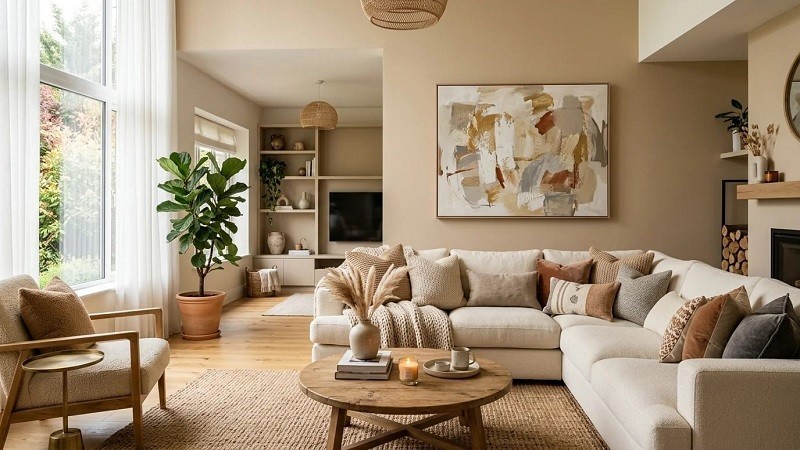
Neutral colors can look much more interesting when different textures are combined. Combining wood, cotton, linen, glass, metal, woven accents, and soft fabrics can create a balanced and inviting interior.
For example, a simple sofa can feel warmer with textured cushions and a soft throw. A wooden table can add natural character beside a fabric chair. Small combinations like these can create depth without requiring bold colors.
Make Intentional Choices
Every item in a room does not need to be decorative. Some things can be useful, while others can have emotional meaning.
A storage basket may help keep the room organized. A framed travel photograph may remind you of a favorite trip. A handmade bowl may add character to a shelf. Choosing items intentionally makes it easier to maintain a clean and personal home.
Top Home Decor Ideas Inspired by The Home Trotters
Refreshing your home does not have to involve a major project. Several simple changes can improve the look and feel of your rooms.
1. Choose Warm Neutral Colors
Warm neutral tones provide a peaceful and versatile base for any interior design. Soft white, beige, warm gray, cream, and earthy tones can make a room feel comfortable without becoming boring.
Once you have a neutral base, introduce color through smaller details. Cushions, blankets, artwork, rugs, flowers, and decorative objects can add personality.
This method also makes future updates easier. Instead of replacing large furniture pieces, you can change smaller accessories whenever you want a different look.
2. Bring Nature Indoors
Adding plants is an easy way to bring freshness, color, and natural beauty into your interior. Greenery introduces natural color and can make plain corners feel more inviting.
A larger plant can work well beside a sofa or in an empty corner. Smaller plants can be placed on shelves, desks, kitchen windowsills, or side tables.
You do not need dozens of plants. One or two carefully selected options can make a noticeable difference while keeping the room easy to maintain.
3. Layer Your Lighting
Lighting can greatly influence the mood, warmth, and overall feel of a room. Instead of relying only on a bright overhead fixture, combine different types of lighting.
General lighting can brighten the entire space. Task lighting can support activities such as reading or working. Accent lighting can highlight artwork, shelves, or architectural details.
Warm-toned lamps and decorative lights can make a living room feel particularly comfortable in the evening. Good lighting can also make neutral colors and natural textures appear more inviting.
Smart Home Organization and Storage Solutions
Keeping your home well organized can make it feel more comfortable, functional, and inviting. A tidy space does not necessarily require expensive custom storage.
Simple systems can often make everyday organization easier.
Try the Zone Method
Instead of trying to organize your entire home in one day, divide the work into smaller zones. Start with one drawer, shelf, cupboard, or section of a closet. Sort the items into three groups: keep, donate, and discard.
This method makes decluttering less overwhelming. It also allows you to see progress quickly, which can make it easier to continue organizing other areas.
Make Storage Part of the Decor
Storage can be both useful and attractive. Woven baskets, wooden boxes, ceramic containers, and clear glass jars can keep everyday items organized while adding visual interest. For example, clear containers can make pantry shelves look cleaner and easier to manage. Large baskets can store blankets, toys, magazines, or other items in a living room.
When storage matches the room’s style, it becomes part of the decoration rather than something that needs to be hidden.
Use Vertical Space
Small homes often have limited floor space. In these situations, walls can provide valuable storage opportunities.
Floating shelves, wall hooks, tall bookcases, and hanging organizers can help you store more without filling the floor with furniture. Vertical storage can also draw attention upward and make a small room feel more organized and open.
Easy Seasonal Decorating Ideas
Seasonal decorating can refresh your home without requiring a complete makeover. Small changes in fabrics, colors, and accessories can create a different atmosphere throughout the year.
Spring and Summer
During warmer seasons, use lightweight fabrics and fresh colors. Linen curtains, lighter cushions, fresh flowers, and green plants can make rooms feel bright and airy.
Clear glass vases and simple natural decorations can also work well. You do not need to purchase a complete collection of seasonal decorations.
Autumn and Winter
As the weather becomes cooler, introduce warmer textures. Chunky blankets, soft cushions, textured rugs, and heavier fabrics can make rooms feel cozy.
Wooden details and warm metallic accents such as brass or copper can add extra character. Small changes can create a seasonal feeling while keeping the main design unchanged.
Bring Travel Memories Into Your Home
Travel can provide excellent inspiration for interior design. Instead of collecting generic souvenirs, choose objects that have a story or remind you of a meaningful experience.
A handmade rug, traditional pottery piece, unique artwork, or locally crafted decoration can give a room personality.
The important thing is balance. A few distinctive pieces can become beautiful focal points when surrounded by simpler furniture. Too many unrelated objects may make the room feel crowded.
Combining meaningful travel pieces with modern furniture allows your home to feel personal without losing its overall sense of style.
Create a Home That Reflects Your Personality
A home should represent the people who live there. Following trends can provide inspiration, but you do not need to copy every popular design style.
Think about the colors you enjoy, the furniture you find comfortable, and the objects that have personal meaning.
Books, photographs, artwork, plants, family keepsakes, and travel memories can make a room feel more authentic. These details help create an interior that feels lived in rather than overly staged.
Start With Small Changes
You do not always need a large renovation to make your home better. Start with simple improvements and observe the difference.
Move furniture to improve the flow of a room. Replace harsh lighting with softer lamps. Remove items that create unnecessary clutter. Add a plant to an empty corner or introduce a new rug to define a seating area.
Small changes are also easier to adjust. If an arrangement does not work, you can try something different without spending a large amount of money.
Final Thoughts
TheHomeTrotters Trisha is a useful topic for anyone looking for practical home decor and lifestyle inspiration. The overall approach focuses on creating spaces that are attractive, comfortable, organized, and personal.
The most important lesson is that good home design does not have to be expensive or complicated. Start with the way you use your space. Choose furniture carefully, improve your storage, use warm lighting, bring in natural elements, and keep only the things that add value to your home.
Most importantly, give yourself time. A home does not need to be completely transformed in one weekend. Experiment with layouts, try different textures, remove unnecessary clutter, and gradually add pieces that you genuinely enjoy.
A beautiful home is not simply a place that looks good. It should also feel comfortable, reflect your personality, and make everyday life easier. That balance between style and function is what can turn an ordinary house or apartment into a space that truly feels like home. Read More thehomestrotters